Which Pests Are Active in Toronto During Winter?
If you live in Toronto, winter doesn't mean pest problems vanish. Cold snaps drive many pests out of unprotected outdoor areas and into heated homes, condos, basements, and garages. The main winter pest activity in the city centers on rodents, cockroaches, bed bugs, and a few stubborn seasonal pests that get their way indoors.
So, what pests are active in Toronto during winter? The short answer is: mice, rats, cockroaches, bed bugs, ants, spiders, and cluster flies can all remain active or become more apparent indoors. Toronto’s cold climate, older housing stock, and dense multi-unit buildings create ideal conditions for indoor infestation, especially where entry points, moisture, and food sources are easy to find.
If you are noticing droppings, gnaw marks, live sightings, or a foul odour, it is a sign that pest control Toronto services may be needed before long.
The reason winter insects and rodents are still a problem in Toronto
Toronto winter climate conditions make pests to act differently, rather than vanish. When temperatures drop, pests that cannot survive extended time outdoors move toward warm indoor refuge. That means, heated homes, apartment corridors, storage rooms, and basement utility spaces become high-value harborage for winter pest activity.
Rodents are especially good at locating shelter in older Toronto houses, semidetached homes, and low-rise buildings where gaps around pipes, vents, foundations, and rooflines provide entry points. Once inside, they can remain active all season long, feeding, nesting, and reproducing in hidden areas.
Cockroaches are another year-round concern. They thrive indoors wherever there is moisture, food, and warmth. In many cases, winter simply helps reveal them because people spend more time indoors and kitchen or bathroom activity increases. For that reason, a pest problem in January can look very similar to one in July.
In Toronto, the combination of heated homes, shared walls, and dense neighbourhoods sets up ideal conditions for pests to move between spaces. This is especially true in apartment buildings and multi-unit housing, where one unit’s issue can become a building-wide concern if exclusion and sanitation are not handled properly.
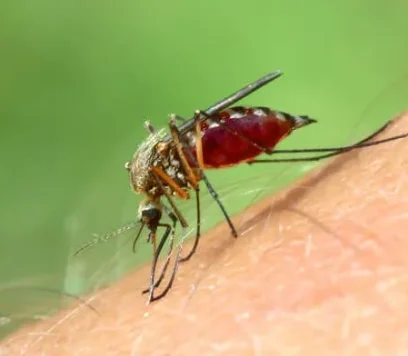
What pests are present in Toronto during winter?
The most frequent winter pests in Toronto are mice, rats, cockroaches, and bed bugs. These are the pests that keep active indoors or spread easily through urban housing and transit-heavy lifestyles. Other cold-weather pests like ants, spiders, and cluster flies may also show up inside, especially when the weather shifts quickly or homes have easy access points.
Winter does not stop pest activity; it shifts where pests cluster. Rather than lawns, trees, and exterior walls, the priority turns to basements, attics, kitchens, storage areas, and shared building systems. In other words, winter pest activity in Toronto is often an indoor issue first and a seasonal issue second.
Rodents and roof rats in basements, attics, and garages
Rats and rats rank among the most typical winter pests in Toronto because they are very good at slipping through gaps in structures and capitalizing on warmth. Below-grade spaces, roof spaces, and garages are usual trouble spots, especially in older properties and buildings with aging seals or foundation cracks. Once rodents get inside, they often follow nesting habits that keep them around heat, insulation, and concealed food access.
Rodent management in the winter season often starts with inspection and blocking access. This means, identifying where mice and rats are getting in, whether around utility lines, garage doors, vents, or damaged masonry. If you do not sealing entry points, even a successful removal can turn into a recurring infestation.
Homeowners also need to look out for insulation damage. Rodents chew through insulation to create nesting areas, which can lower energy efficiency and drive up repair costs. In Toronto’s cold months, damaged insulation in a basement or attic is more than a nuisance; it can leave the home harder to heat and easier for pests to inhabit.
When you are thinking about diy fumigation for mice, it is important to know that DIY methods almost never address the main cause. Mice and rats usually need a mix of exclusion, sanitation, trapping, and subsequent treatment to fully eliminate the problem. Fumigation is not a realistic standalone solution for most mouse or rat issues in Toronto homes.
Cockroaches able to thrive inside all year
Roaches do not wait for warmer weather. In Toronto, they can stay active all year, especially in kitchens, laundry rooms, boiler rooms, and other heated spaces with moisture. German cockroaches are the most frequent indoor species in many residential and multi-unit settings because they reproduce quickly and live close to human food sources.
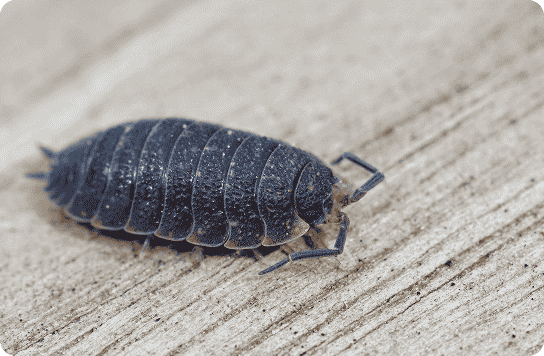
Food sources matter a lot. Crumbs, pet food, grease buildup, and unsealed pantry items can support a roach population even in clean homes if access is consistent. Moisture is equally important. Leaky pipes, condensation, and humid bathrooms create the conditions roaches need to survive indoors through the coldest months.
People often search for cockroach exterminator toronto cost when they notice repeated sightings, but pricing depends on how widespread the infestation is and whether the building has shared-wall activity. In many cases, a professional inspection can reveal if the issue is isolated to one unit or spread through multiple connected spaces.
Because cockroaches are resilient, treatment often includes sanitation, targeted baiting, monitoring, and follow-up treatment. The most effective long-term results usually come from combining professional control with better moisture control and ongoing cleaning practices.
Bugs that travel via travel and multi-unit buildings
Bed bugs are one of the most frustrating winter pests in Toronto because they are not tied to outdoor weather. They spread through luggage, used furniture, clothing, transit, and apartment building traffic. Winter can even increase the risk of spread, since holiday travel and dense urban commuting in the GTA create more opportunities for bed bugs to move between people and properties.
Apartment buildings are especially vulnerable because bed bugs can spread through adjoining units, hallways, and common areas. Even if one resident acts quickly, nearby units may already be exposed. This is why bed bug control often requires a building-aware strategy rather than a simple one-room response.
A lot of Toronto locals review bed bug heat treatment Toronto options because heat treatment is among the best ways to eliminate bed bugs in one structure when done correctly. The price of bed bug treatment depends on the property size, infestation level, and whether the building needs repeated visits or broader coordination.
When people ask about heat treatment for bed bugs cost, the answer usually depends on the scope of work and whether the provider includes inspection, preparation guidance, and follow-up support. In general, bed bug treatment tends to be costlier than mouse or roach control because the process is more labour-intensive and often requires a specialized heat treatment system.
Ants, spiders, and other occasional winter invaders
Not every winter pest in Toronto is a major infestation, but some seasonal pests still show up indoors. Ants, including pharaoh ants, may remain active in heated interiors where food and water are available. These smaller ants can be difficult to manage because they expand fast through wall voids and kitchen spaces.
Spiders also become easier to spot indoors during winter. Most house spiders are harmless, but they may be found in basements, corners, storage rooms, and window frames where they can find shelter and prey. Their presence usually suggests the home offers stable hiding spots rather than a dangerous infestation.
Cluster flies are another common winter invader in Toronto. They often get into buildings in late fall and remain hidden in attics, wall voids, or upper floors until warm indoor temperatures encourage them to emerge. Many people do not notice them until they gather near windows on warmer winter days.
These winter invaders are often symptoms of access, not just the pests themselves. If ants, spiders, or cluster flies keep reappearing, it is worth looking for the structural reasons they are getting inside.
Indicators of winter pest trouble
The most obvious signs of a winter pest issue in Toronto are feces, gnaw marks, live sightings, and odor. Mouse and rat droppings in cupboards, behind appliances, or along basement walls are a strong indication of active mice or rats. Gnaw marks on food packaging, wiring, wood, or stored materials can point to rodent feeding and nesting activity.
Live sightings are another red flag, especially if they happen during the day or repeat in the same area. Seeing a mouse once does not always mean a severe infestation, but repeated sightings often suggest a larger hidden population. For cockroaches, daytime activity can be especially concerning because these pests are typically more active at night unless the infestation is established.
Smell matters too. A foul odour in hidden spaces, cabinets, or walls can indicate rodent activity, cockroach buildup, or a dead pest somewhere in the structure. In apartment buildings and older homes, lingering smells sometimes reveal a problem before visible evidence becomes obvious.
Cold-weather pest issues are often discovered in stages. A few droppings, a scratch sound in the wall, or one live insect near a drain can be the first clue that a broader indoor infestation is developing. Early inspection usually saves time and money.
How much does pest control Toronto cost in Toronto?
The pest control toronto cost is based on the insect, the size of the home, and how much work is required to resolve the issue. In Ontario, pricing can fluctuate significantly based on whether the treatment is for mice, cockroaches, bed bugs, or another pest. When people compare pest control cost ontario or search pest control near me prices, they are often trying to determine whether the issue is a quick service call or a multi-step treatment plan.
If you are asking how much is pest control for mice, the answer usually depends on inspection, trapping, exclusion, and whether follow-up visits are included. Small rodent problems are typically cheaper than bed bug infestations, but costs can increase if entry points need sealing or if the infestation is widespread.
It is also smart to compare pricing across nearby markets. Searches for pest control mississauga, pest control brampton prices, pest control hamilton prices, pest control london ontario, pest control kitchener, pest control fredericton nb, and pest control edmonton prices can show how service pricing varies by region, property type, and market demand. You may also see local business names such as adams pest control fredericton or adams pest control moncton when comparing providers outside the GTA.
For Toronto residents, the main point is that pest control near me pricing is usually shaped by urgency and complexity. A quick inspection for a single issue is cheaper than a larger indoor infestation that requires specialized treatment.
Typical costs for mice, cockroaches, and bed bugs
For mice treatment, pricing often accounts for the need for inspection, trapping, and exclusion work. A simple case may be relatively low-cost, but if there are multiple entry points or damage in a basement, attic, or garage, the cost can rise. Rodent jobs sometimes need more than one visit, especially when signs of nesting behaviour continue after the initial treatment.
Roach treatment usually depends on the species and the level of infestation. German cockroaches in particular may require baiting, sanitation guidance, and follow-up treatment to break the cycle. This is why homeowners often ask about cockroach exterminator toronto cost after seeing repeated activity in kitchens or bathrooms.
Bed bug treatment is typically the highest-priced of the three because it involves a careful inspection, thorough preparation, and frequently a thermal treatment or combined treatment plan. The cost of bed bug treatment can change considerably depending on whether it affects just one room, a single unit, or several units in an apartment building. Heat treatment for bed bugs cost tends to be costlier than standard spray treatment, but it is often preferred for quick results and performance.
Inspection charges may also apply. Some companies build the inspection in the treatment cost, while others bill separately. This is a key reason quotes can change even for similar pest problems.
Mosquito Man Toronto224 King St W #2401, Toronto, ON M5J 0A6, Canada
+16472437241
https://maps.app.goo.gl/VbxNrosScd6ZL8U39
https://mosquitoman.ca/pest-control/toronto/
JJX7+23 Toronto, Ontario, Canada
Why winter pest control costs can vary
Winter pest control prices are influenced by infestation size, the type of property, repeat visits, and seasonality. A small mouse issue in a detached home may be more straightforward to resolve than a cockroach problem in a multi-unit housing complex with shared walls and recurring moisture issues.
Property type matters because condos, apartment buildings, and older homes each create different challenges. An apartment building may require coordination with neighbours or building management, while an older house may need more extensive exclusion work. Multi-step treatment plans almost always cost more than one-time service calls.
Follow-up visits can also affect price. Many pest problems do not end after a single visit, especially rodent control and bed bug treatment. Monitoring, repeat inspection, and prevention tips are often part of a proper long-term plan.
Seasonality affects demand too. Winter can increase indoor infestations, which means more service requests and sometimes faster booking pressure. If you need a licensed exterminator during a busy cold-weather period, same-day service may be available but not always at the lowest cost.
When to look for pest control Toronto in Toronto
If you are seeing repeated activity, it is time to find pest control Toronto. Do not wait until the problem spreads to other rooms or units. In Toronto, where homes are close together and apartment buildings share walls, prompt action can keep a small winter pest issue from becoming a larger indoor infestation.
Look for the best pest control Toronto if you want a provider that understands local building types, seasonal pests, and the realities of Toronto housing. A licensed exterminator can inspect for entry points, confirm the species, and recommend a treatment plan based on the actual conditions in your home or building.
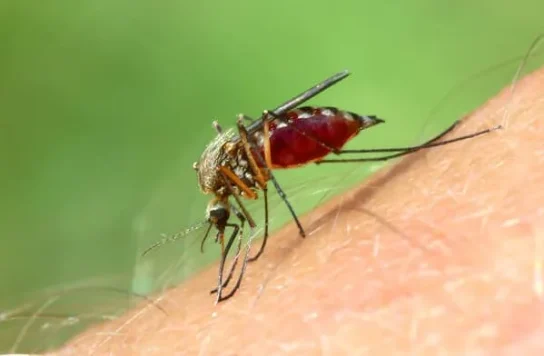
Same-day service is especially useful for active rodent sightings, sudden roach outbreaks, or confirmed bed bug activity. If you suspect mice, rats, cockroaches, or bed bugs, speed matters because these pests adjust rapidly to warm, food-rich environments.
For Toronto residents, a practical approach is to book an inspection as soon as you notice clear signs such as droppings, gnaw marks, live sightings, or odor. Waiting often makes the problem harder and more expensive to solve.
Toronto neighbourhoods and building types most affected in winter
Winter pest problems can occur anywhere in the city, but some Toronto neighbourhoods and building types are more vulnerable. The downtown core often sees more bed bug spread and cockroach activity because of high-density apartment https://toronto-onxg219.wpsuo.com/what-is-the-price-of-bed-bug-treatment-cost-in-toronto buildings, transit traffic, and frequent unit turnover. Shared systems and close living quarters make it easier for pests to move around.
These areas have many areas with older homes, basement suites, and mixed housing stock where mice and rats can find entry points more easily. In these settings, exclusion and moisture control are often key to long-term success.
Multi-unit housing across the city is a major concern because pests can spread between units through walls, utility openings, and common spaces. That is even more true when building maintenance is delayed or when one unit’s problem is not addressed early. In these environments, pest activity in one unit is rarely just one unit’s problem for long.
Toronto’s cold winters push pests into heated homes and shared indoor spaces, so the combination of climate, architecture, and density keeps winter pest control relevant throughout the season. Whether you live in a downtown condo, a basement apartment, or a detached home in the suburbs, the same rule applies: the sooner you inspect, the easier it is to stop pests from settling in.
Dealing with pests in winter in Toronto is usually more than just removing pests you can see. It is about finding where they are coming from, reducing food and moisture, sealing entry points, and preventing the next wave of activity.
Common Questions
What pests are most active in Toronto during winter?
The most active winter pests in Toronto are mice, rats, cockroaches, and bed bugs. You may also see ants, spiders, and cluster flies indoors, especially in heated residences, apartment buildings, and older houses with simple access points.
Do mice and rats enter homes more often in winter in Toronto?
Yes. Toronto’s cold winters push mice and rats indoors in search of heat, food, and shelter. They often enter basements, attics, and garages through minor gaps, which is why rodent control and exclusion are so important in winter.
Are bed bugs active in winter in Toronto?
Yes, they are. Bed bugs are active year-round because they live indoors. In Toronto, winter travel, commuting, and apartment building traffic can increase spread, especially in high-density shared housing and apartment buildings.
How much does pest control cost in Toronto for mice or bed bugs?
Pest control toronto pricing varies by the pest, the infestation size, and the property type. Mice treatment is usually less expensive than bed bug treatment. Bed bug heat treatment Toronto solutions often come with higher costs, and inspection fees or follow-up visits may also impact the total.
When is the right time to call pest control near me in Toronto?
You should call pest control near me as soon as you notice droppings, gnaw marks, live sightings, odors, or repeated pest activity. Early inspection and treatment are the best ways to stop a winter infestation before it spreads.